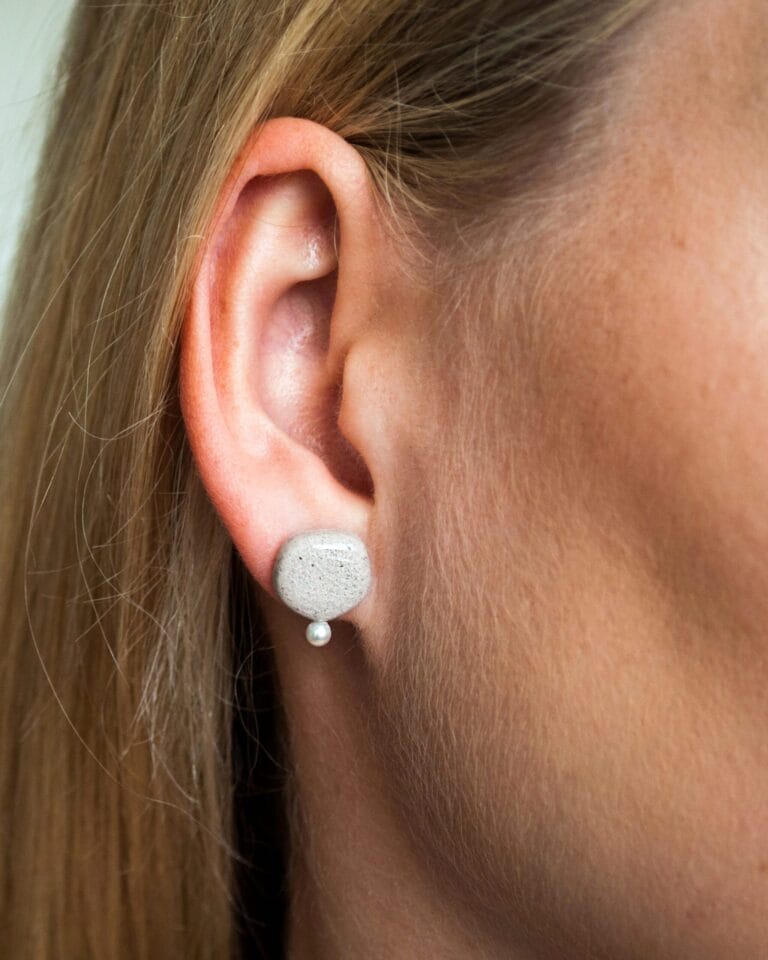
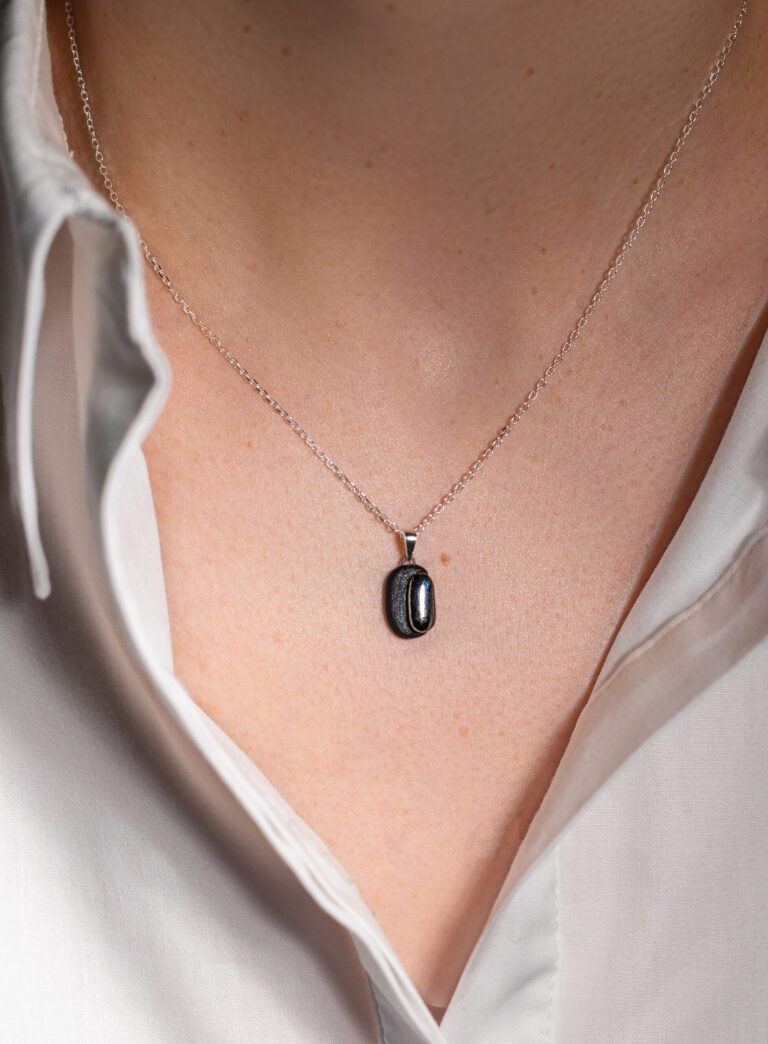
A handmade ceramic jewelry piece begins long before it becomes an earring, a necklace pendant or a brooch. It starts quietly, with a small piece of soft clay or porcelain on the studio table. At this stage, there is no shine, no gold luster and no final surface finish — only raw material, hands, time and an idea.
At Clayometry, every piece is shaped by hand in Lithuania. Clay is rolled, pressed, cut, softened, reshaped or sometimes broken down again until the form begins to feel right. This slow, tactile process is what makes handmade ceramic jewelry different from mass-produced accessories.
The beginning: soft clay, porcelain and the first shape
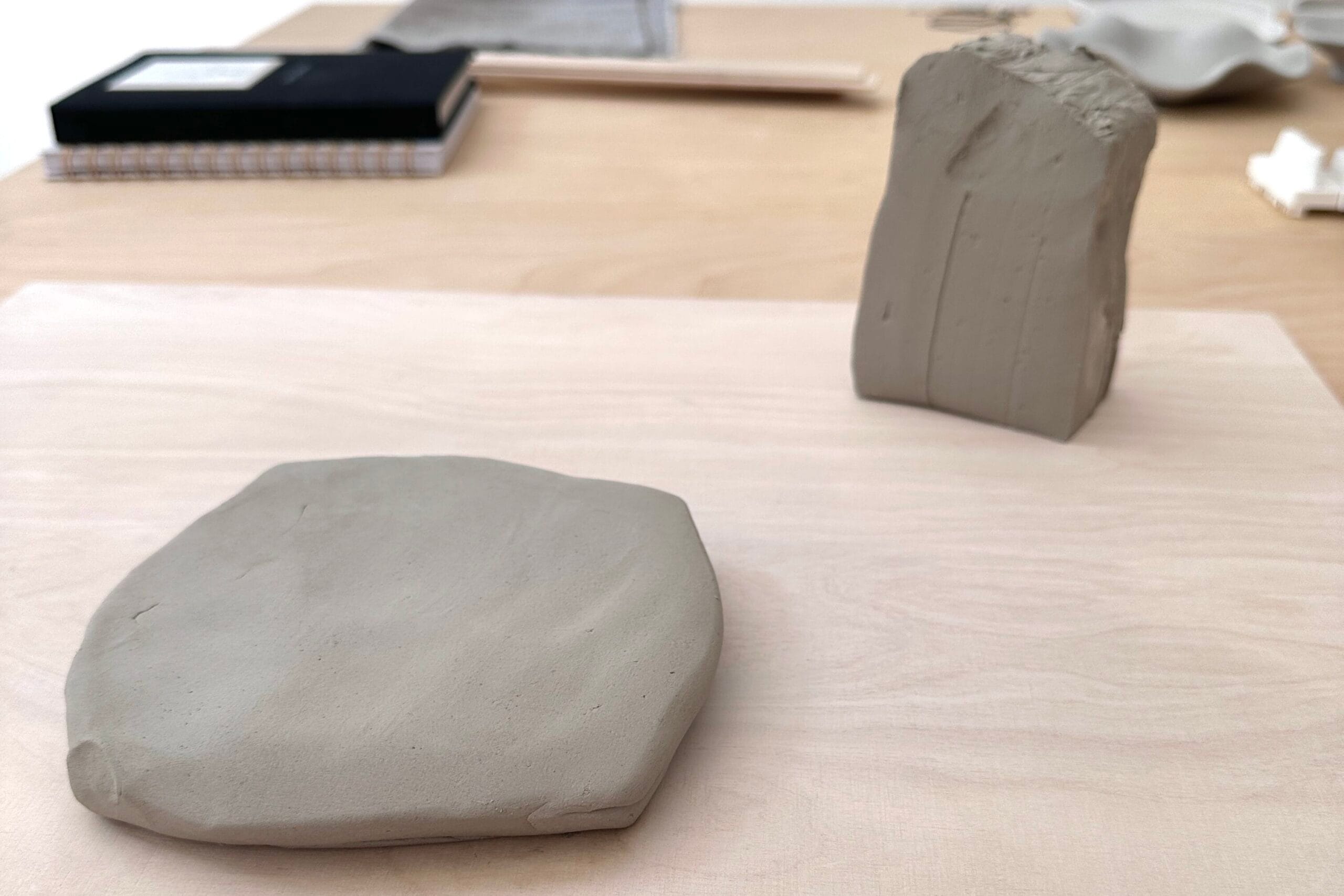
The journey often starts with a small block of clay or porcelain. Before it can become a pair of ceramic earrings, a ceramic necklace pendant or a handmade brooch, the material needs to be prepared. It may be rolled into thin slabs, shaped into tiny forms or gently worked between the fingers.
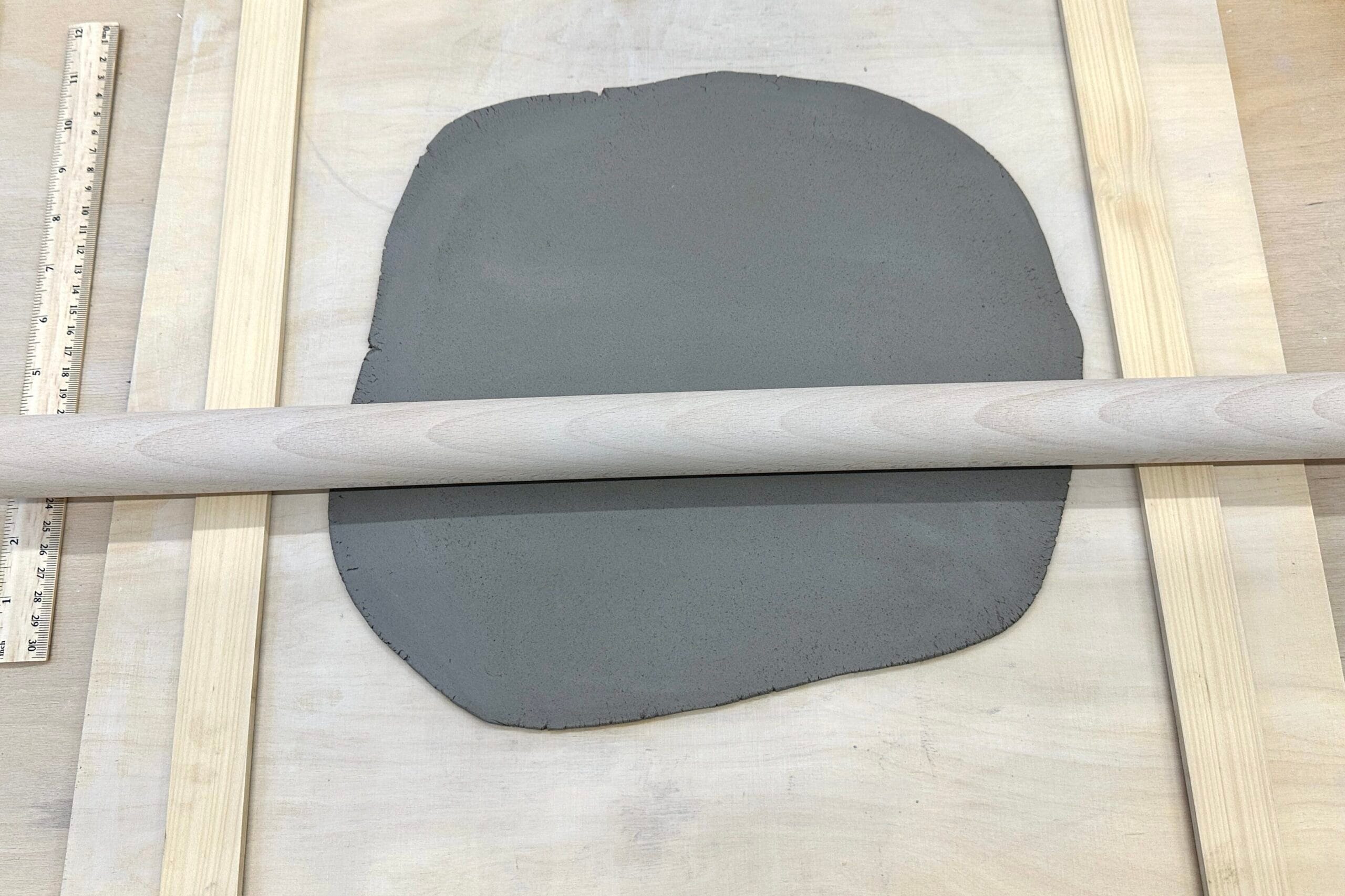
Some pieces begin as smooth sheets of clay, carefully rolled to an even thickness. Others start as tiny hand-formed beads, circles, hearts or abstract fragments. The scale is small, but the attention is not. In ceramic jewelry making, even the smallest detail matters: the thickness of the clay, the softness of an edge, the curve of a shape and the way a surface will later catch the light.
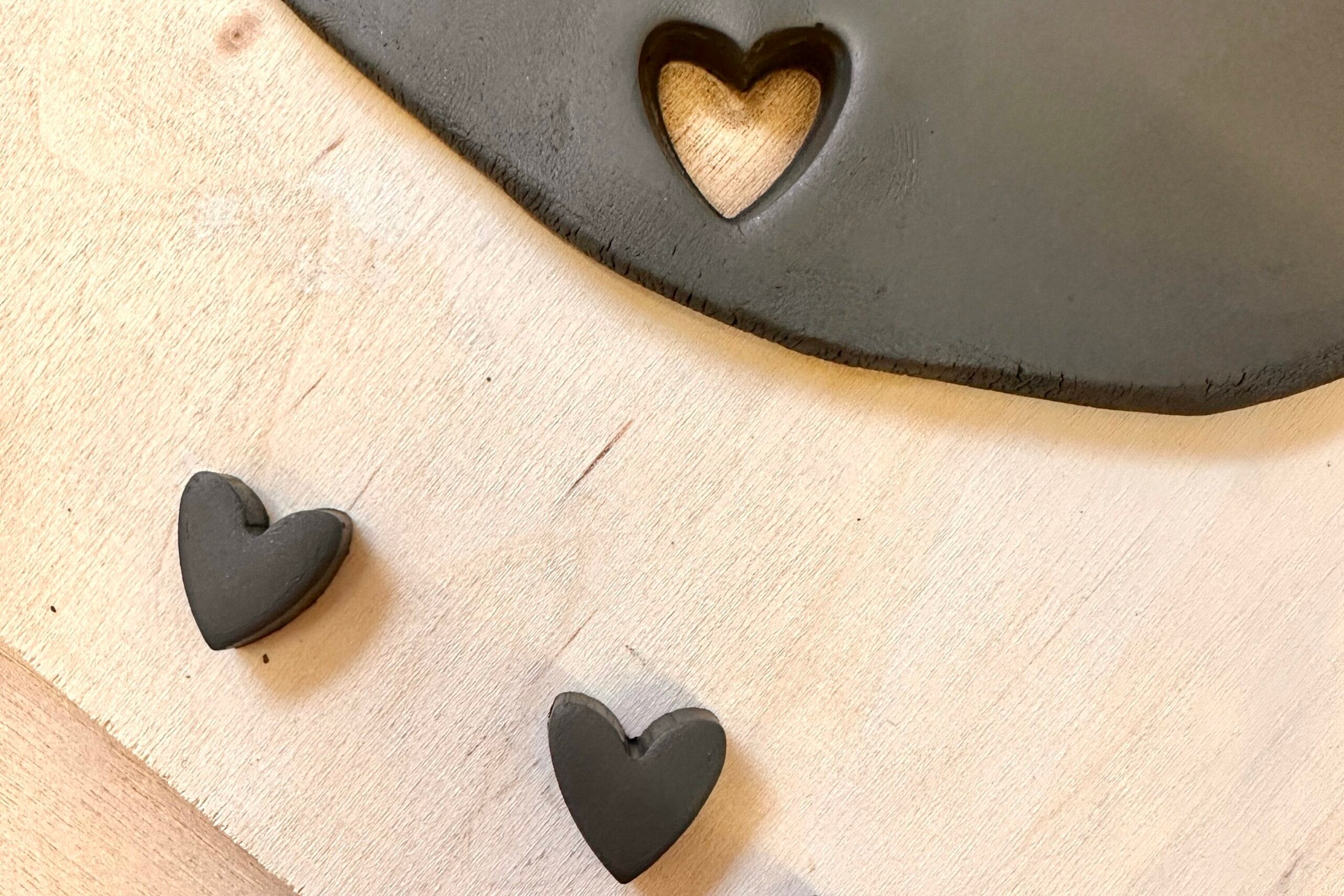
This stage is quiet and very hands-on. Each piece carries small traces of the making process — the pressure of fingers, the softness of the clay and the slight irregularities that make handmade ceramic jewelry feel human rather than manufactured.
Drying, sanding and refining
Unlike mass-produced jewelry, ceramic jewelry cannot be rushed. Clay and porcelain change while drying, shrink in the kiln and react differently depending on thickness, shape and finish. A piece that looks simple when finished may have gone through many careful steps before it was ready to wear.
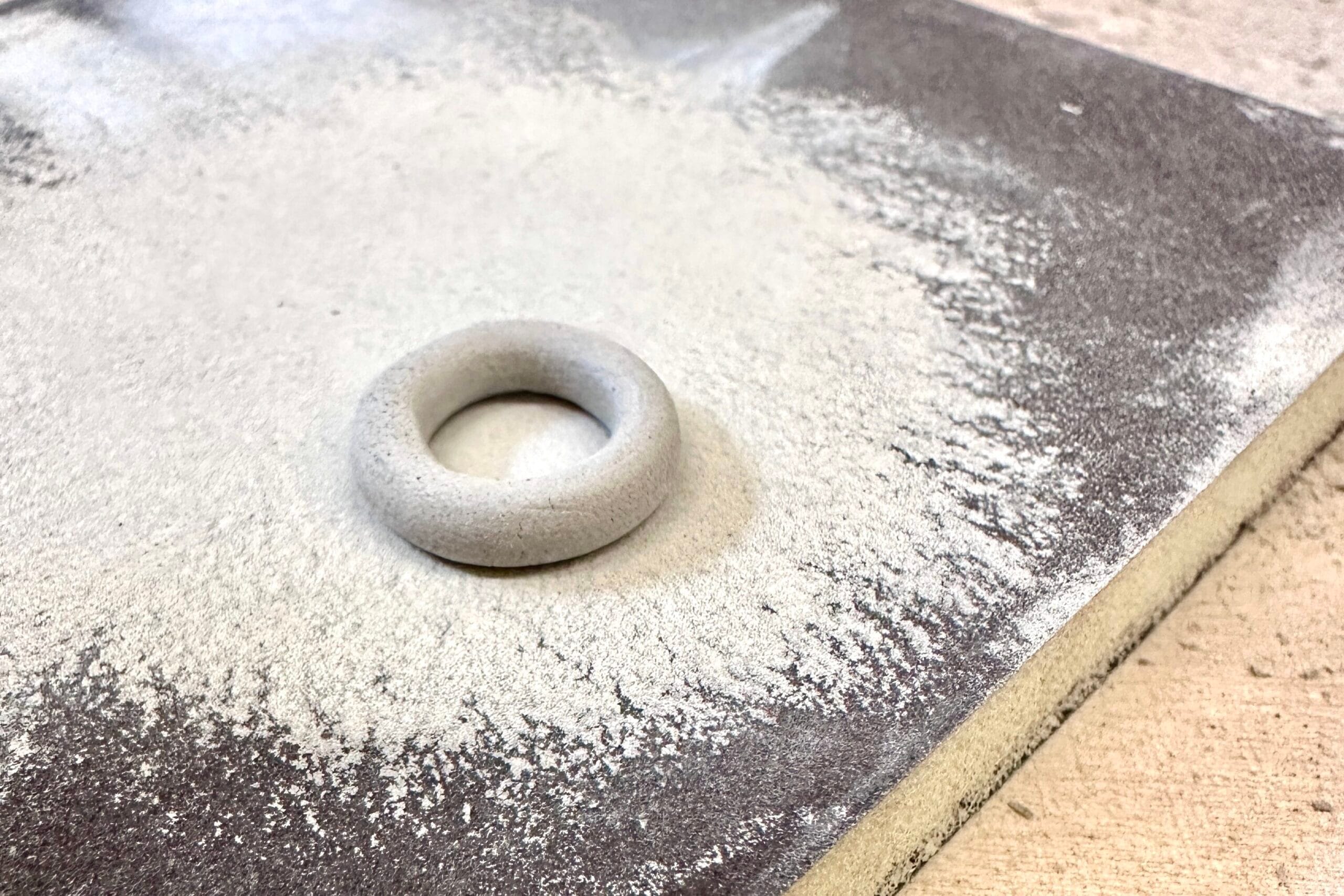
After the first forms are shaped, they need time to dry slowly. If a ceramic jewelry piece dries too quickly or unevenly, it can bend, crack or lose its intended shape. This is why the early stage of the process is not only about making — it is also about waiting, observing and adjusting.
When the pieces are dry enough to handle, the refining begins. Edges are softened, surfaces are smoothed and tiny imperfections are gently corrected. For ceramic earrings, porcelain pendants and handmade brooches, the surface matters not only visually, but also physically — each piece should feel pleasant to touch and comfortable to wear.
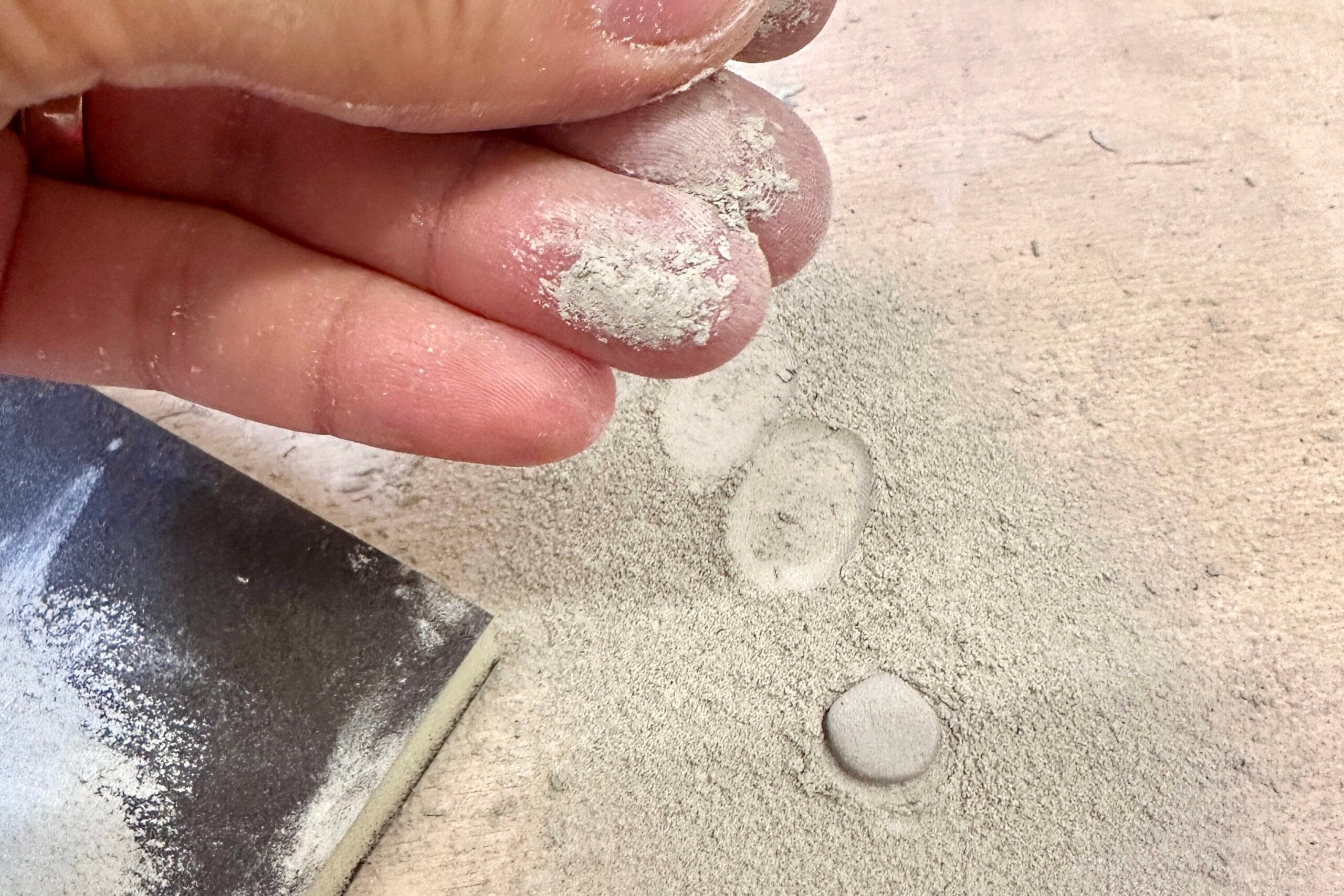
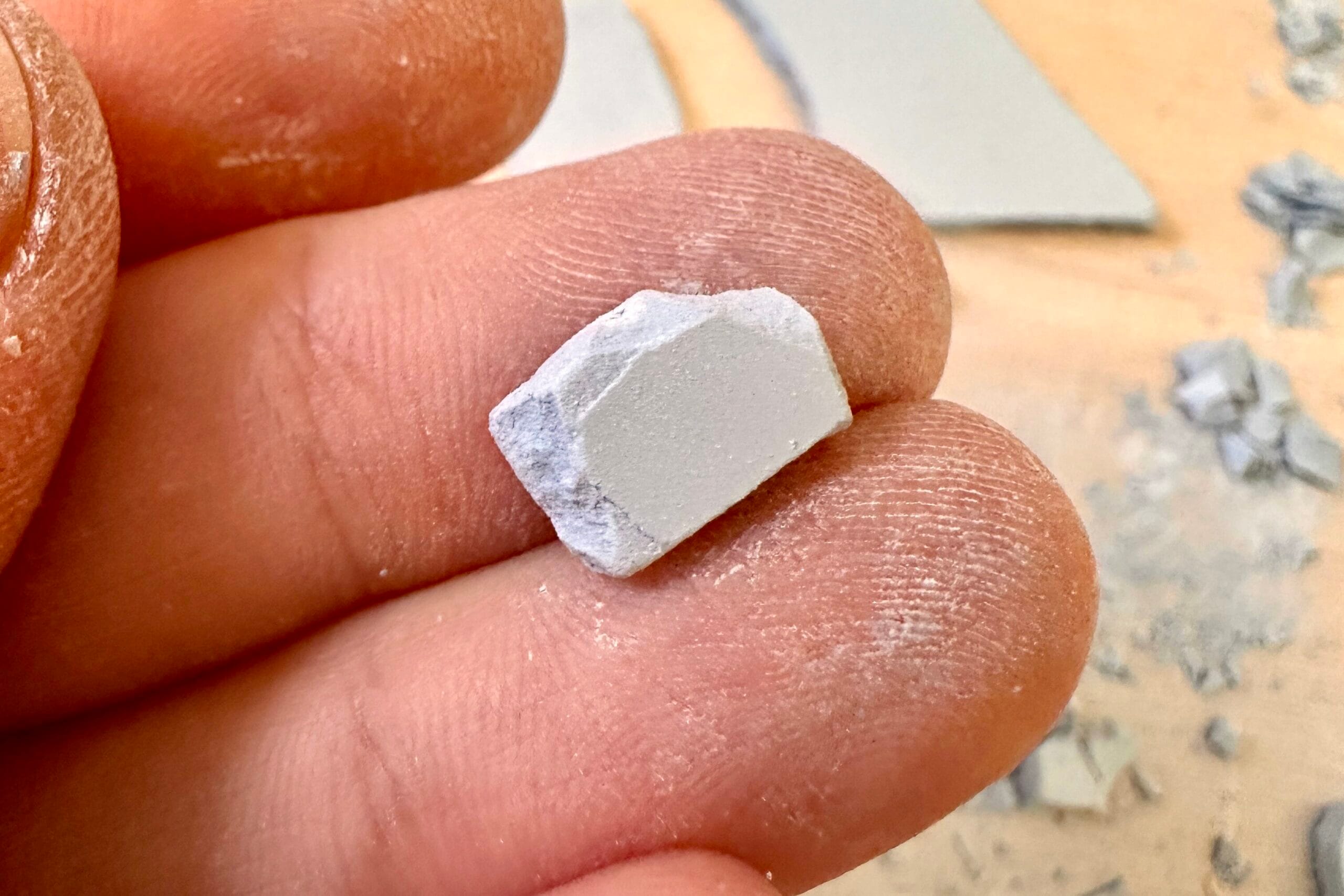
Sometimes sanding reveals how delicate the process really is. A small piece can break, chip or change shape. In a handmade studio, not every piece reaches the final collection — and that is part of what makes the finished jewelry more special.
From fragile clay to fired ceramic
Once the shapes are dry, smooth and ready, they go into the kiln. This is one of the most transformative stages in the making of handmade ceramic jewelry. The soft clay or porcelain becomes ceramic — stronger, permanent and ready for the next layers of finish.
Firing is also a moment of trust. Inside the kiln, the material changes in ways that cannot be fully controlled by hand. Clay shrinks, porcelain becomes harder and every piece responds slightly differently to heat. This is why no two handmade ceramic jewelry pieces are ever exactly the same. Small variations in shape, surface, glaze or firing result are part of the beauty of handmade ceramics.
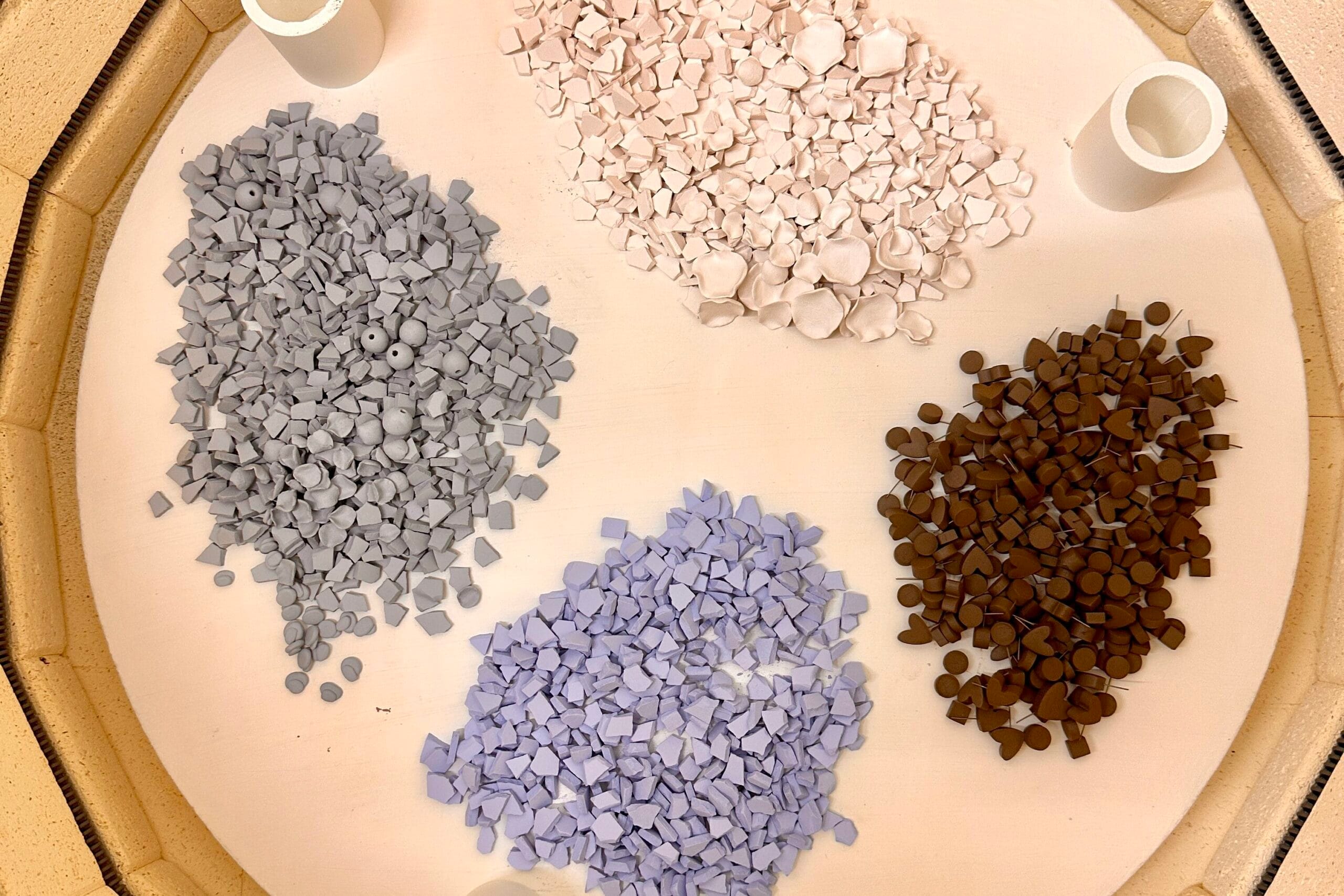
Glazing: adding color, depth and surface
After the first firing, the ceramic pieces are stronger, but still unfinished. This is when the surface begins to change — through glaze, color, texture and sometimes precious luster.
Glazing handmade ceramic jewelry is a careful process. Some pieces are dipped into glaze, others are painted by hand with a small brush. A tiny ceramic pendant, a pair of earrings or a small brooch may need only a thin layer, but that layer can completely transform the final look of the piece.
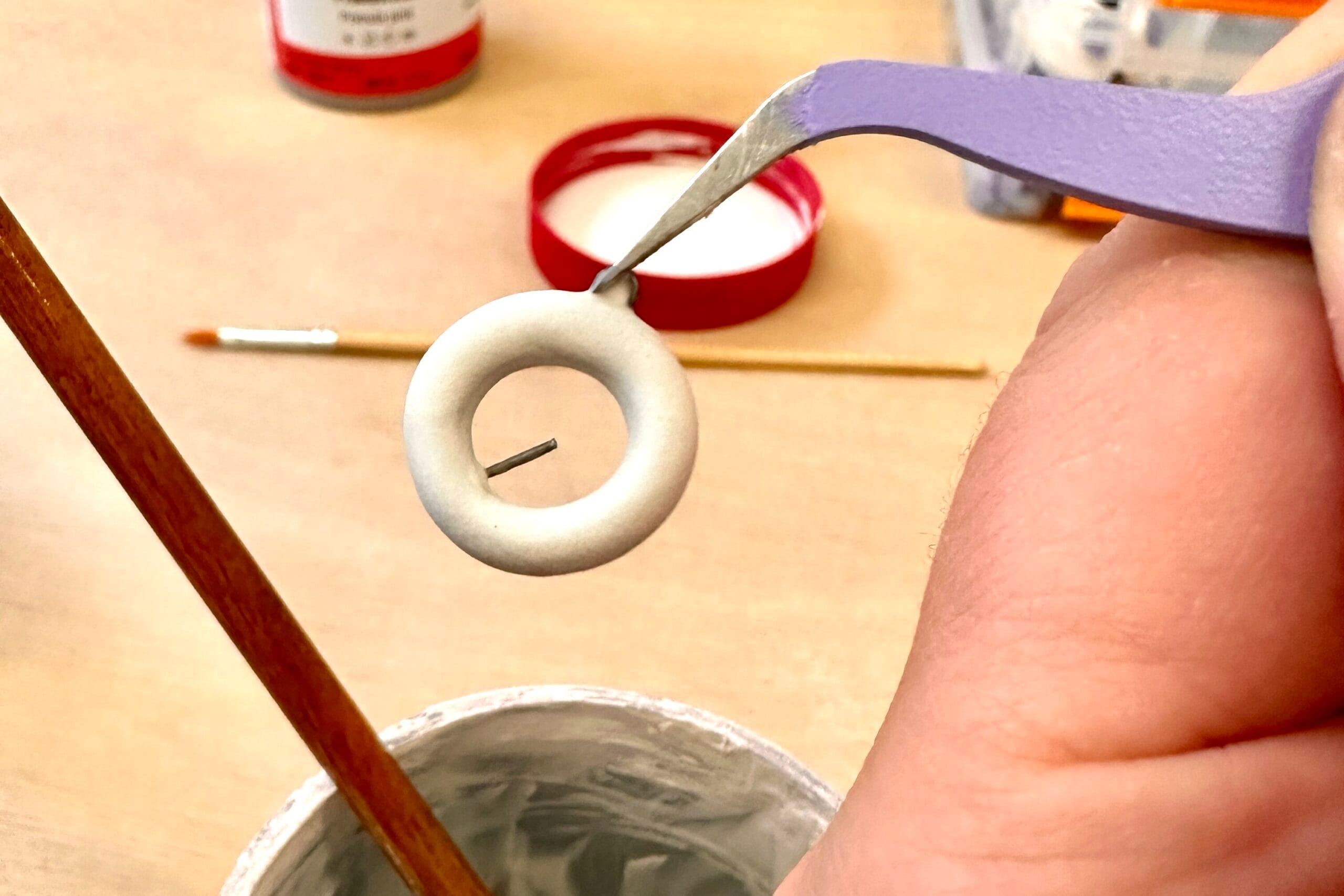
Glaze is not just color. It can create a glossy surface, a soft matte finish, subtle depth or a delicate contrast with raw ceramic. On porcelain jewelry, glaze can feel clean and luminous. On black clay, it can create a deeper, more dramatic finish.
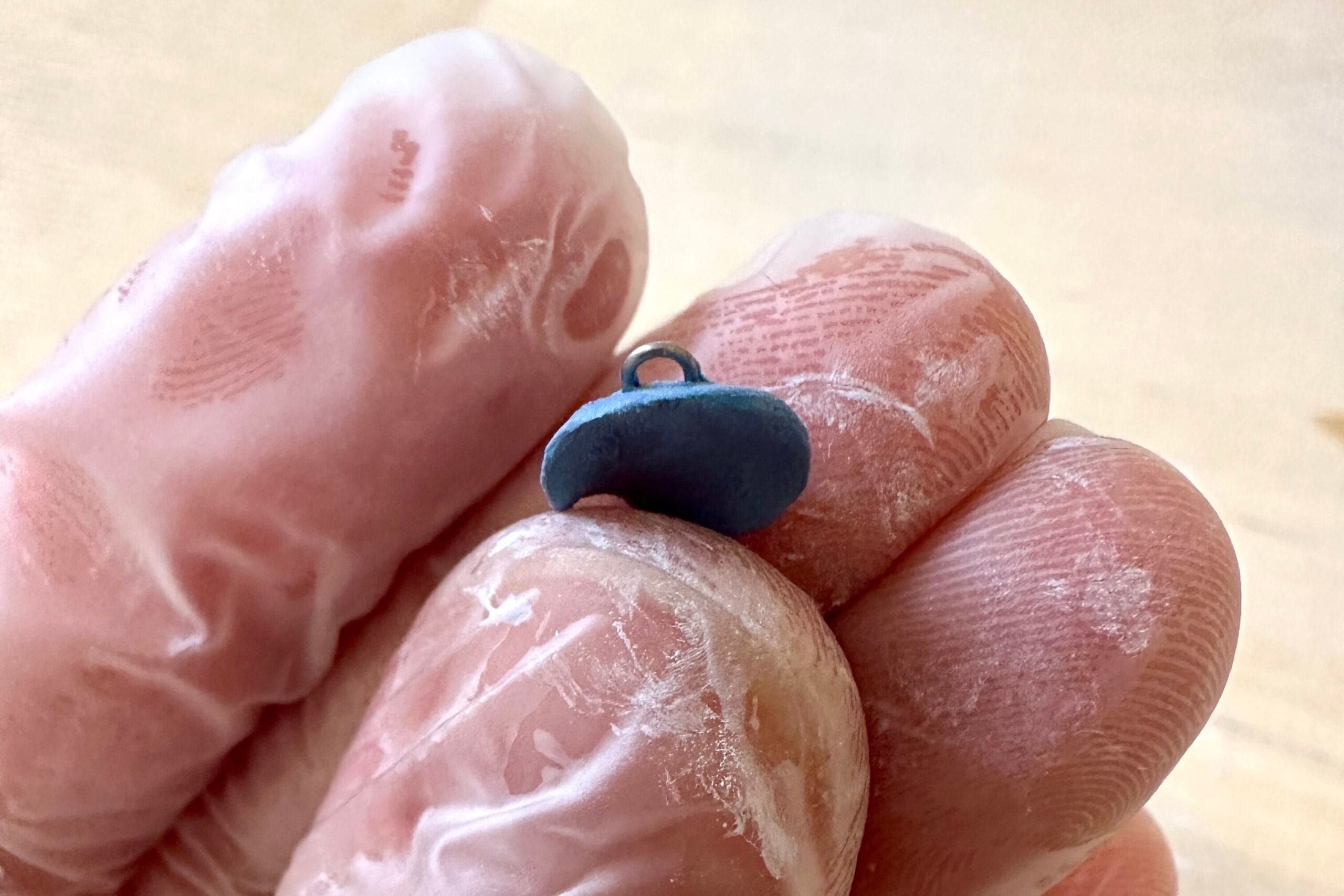
Some ceramic jewelry pieces need small technical details before they can become wearable. A tiny kanthal wire hook or support can be added before firing, allowing the piece to hold a pearl, a bead or another decorative element later. In handmade ceramic jewelry, beauty and function have to grow together.
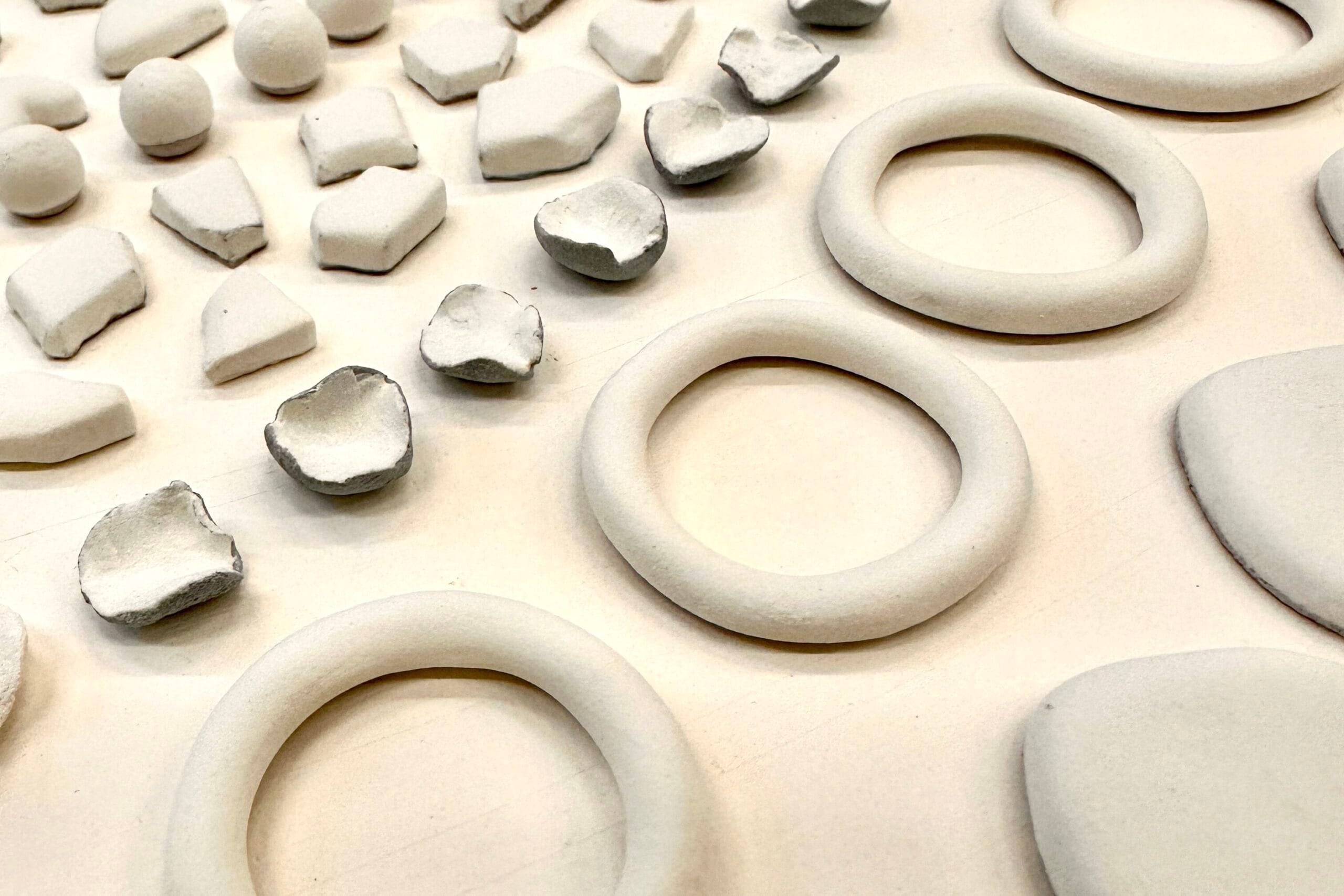
Many small pieces, each with its own place
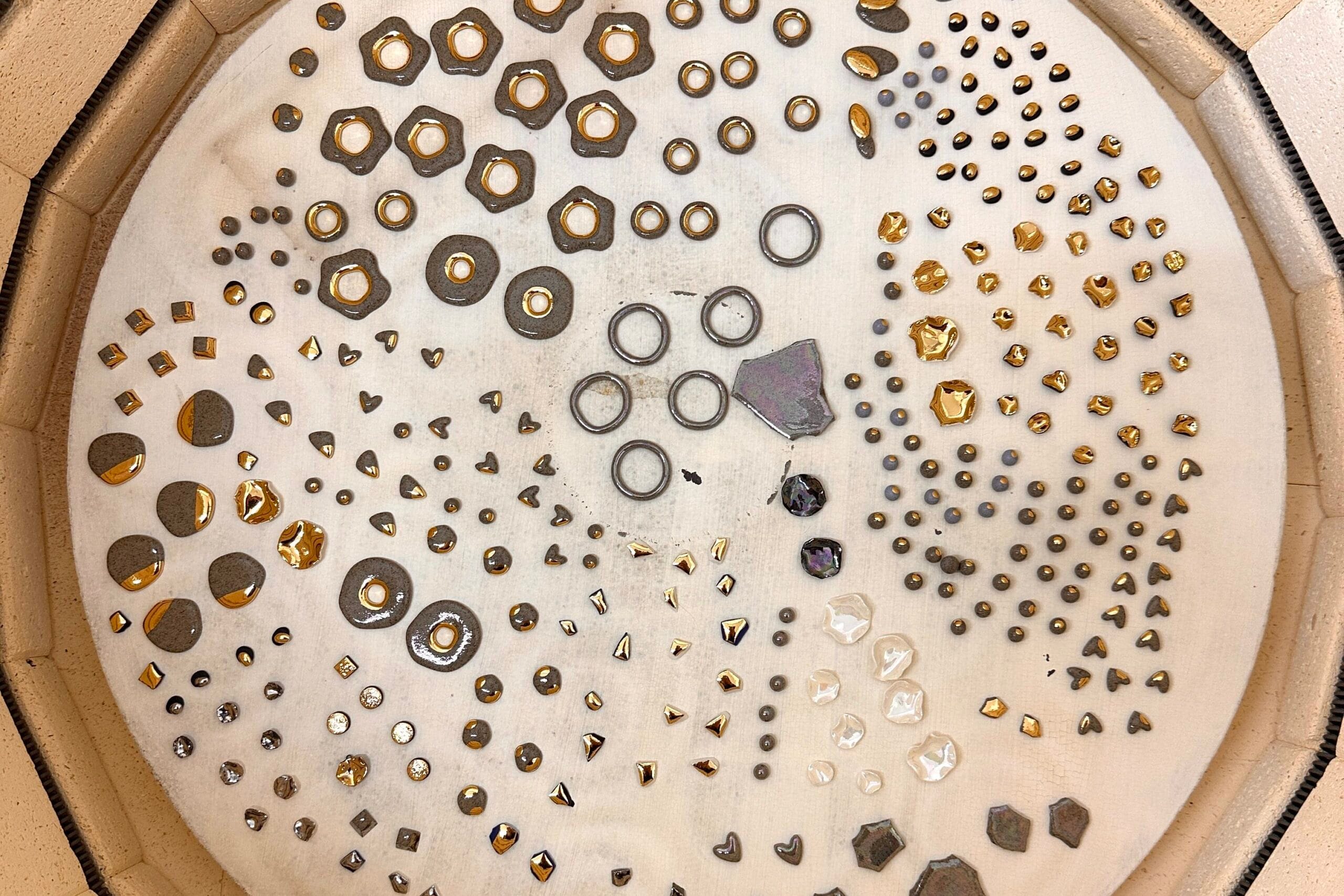
At this stage, the studio table fills with small ceramic forms: beads, circles, hearts, organic fragments, pendant shapes and earring pieces. Some are white porcelain, some are black clay, some carry soft color. They may look like a collection of tiny objects, but each one is part of a future handmade jewelry piece.
Before going back into the kiln, the pieces are arranged carefully. They cannot touch each other in the wrong places, and glazed surfaces need space. Even placement inside the kiln matters, because heat and glaze influence the final result.
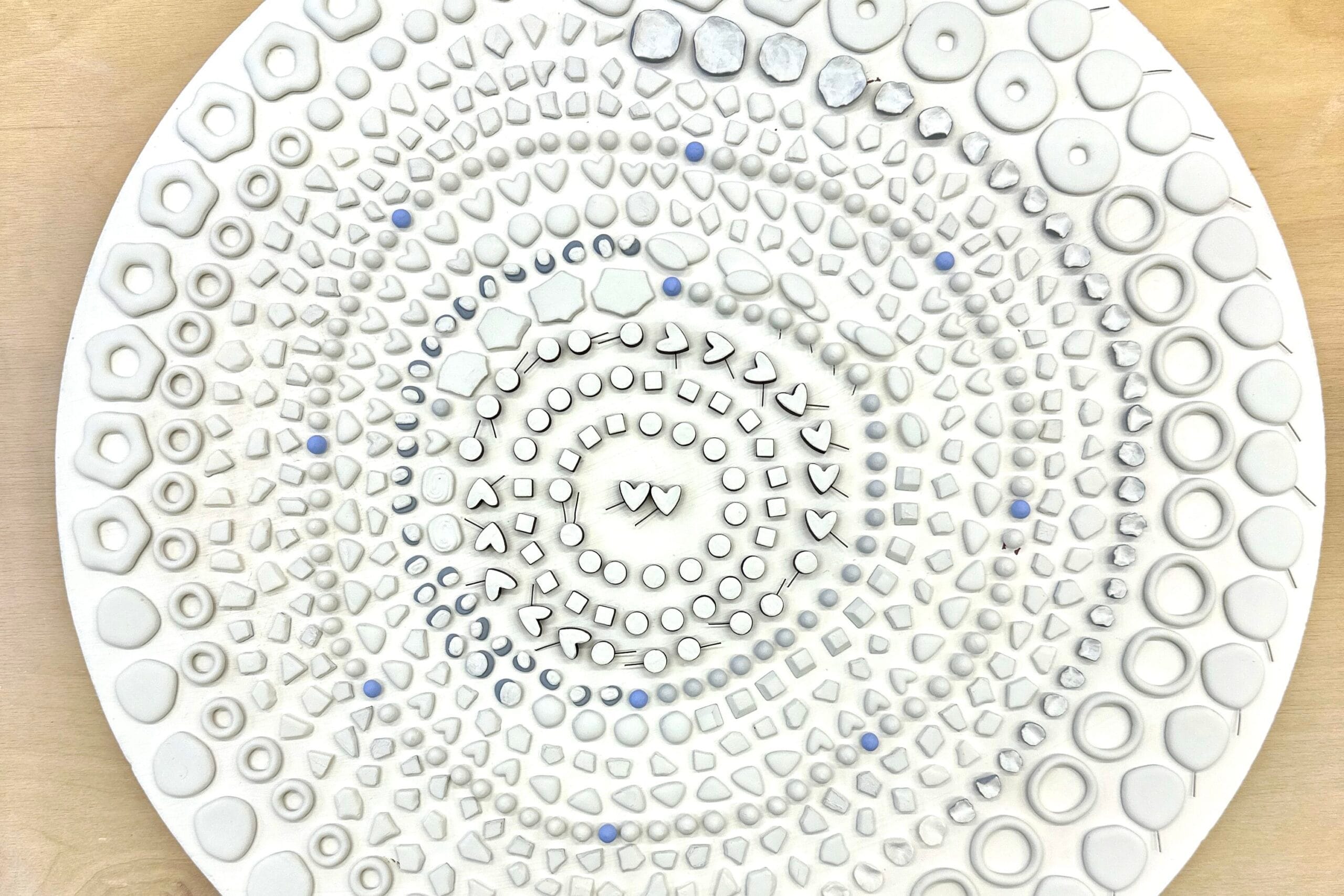
Even when a shape is repeated, the glaze may flow a little differently. A color may become softer or deeper. A surface may catch the light in a way that could not be fully predicted before firing.
The kiln: where the final surface appears
During glaze firing, the surface melts, seals and becomes permanent. Matte clay turns into finished ceramic. Pale glaze becomes glossy. Metallic or iridescent details begin to reveal their character in the heat.
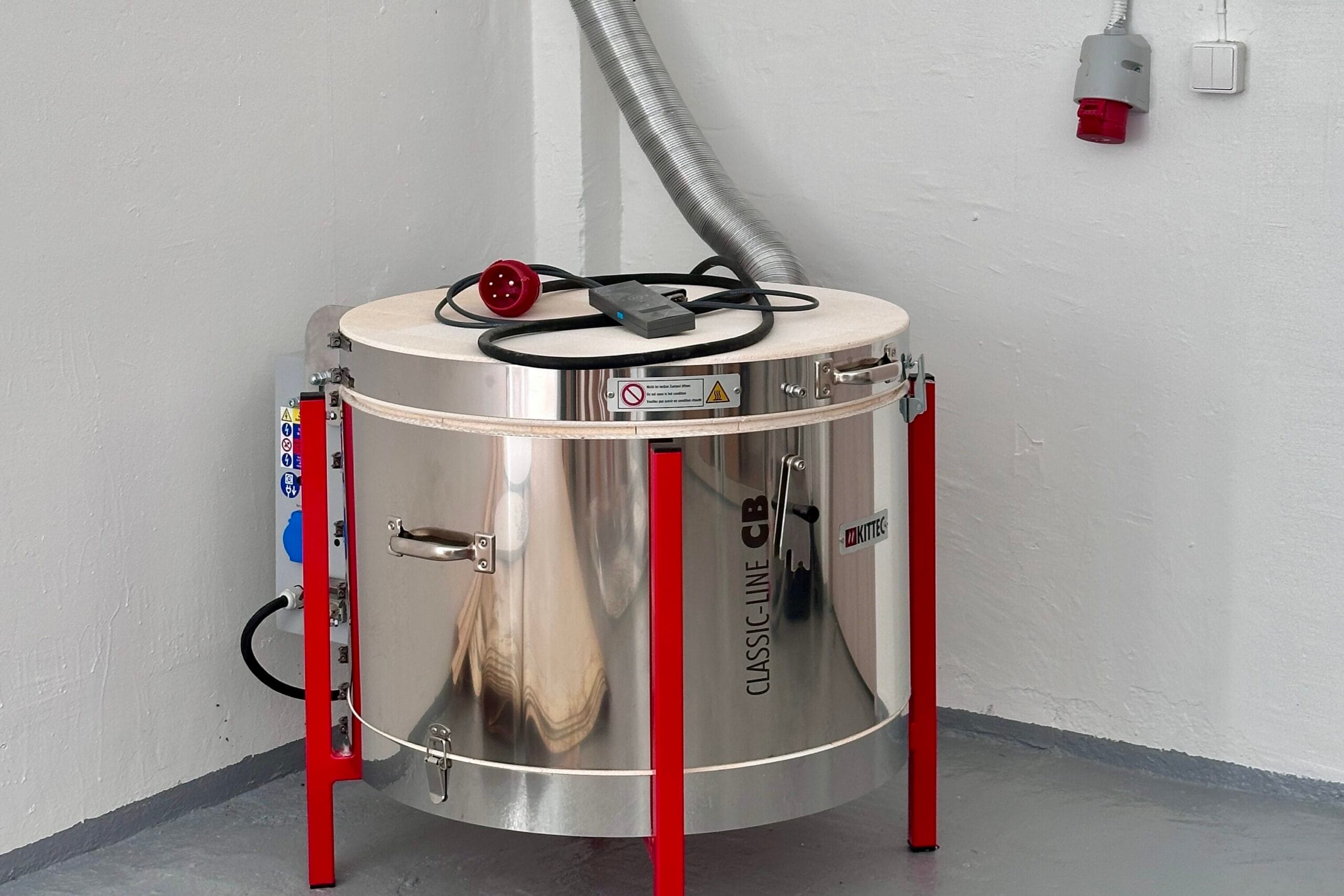
Opening the kiln is always a special moment. Some pieces come out with a clean minimal surface. Others carry golden highlights, iridescent reflections or small variations created by the firing process.
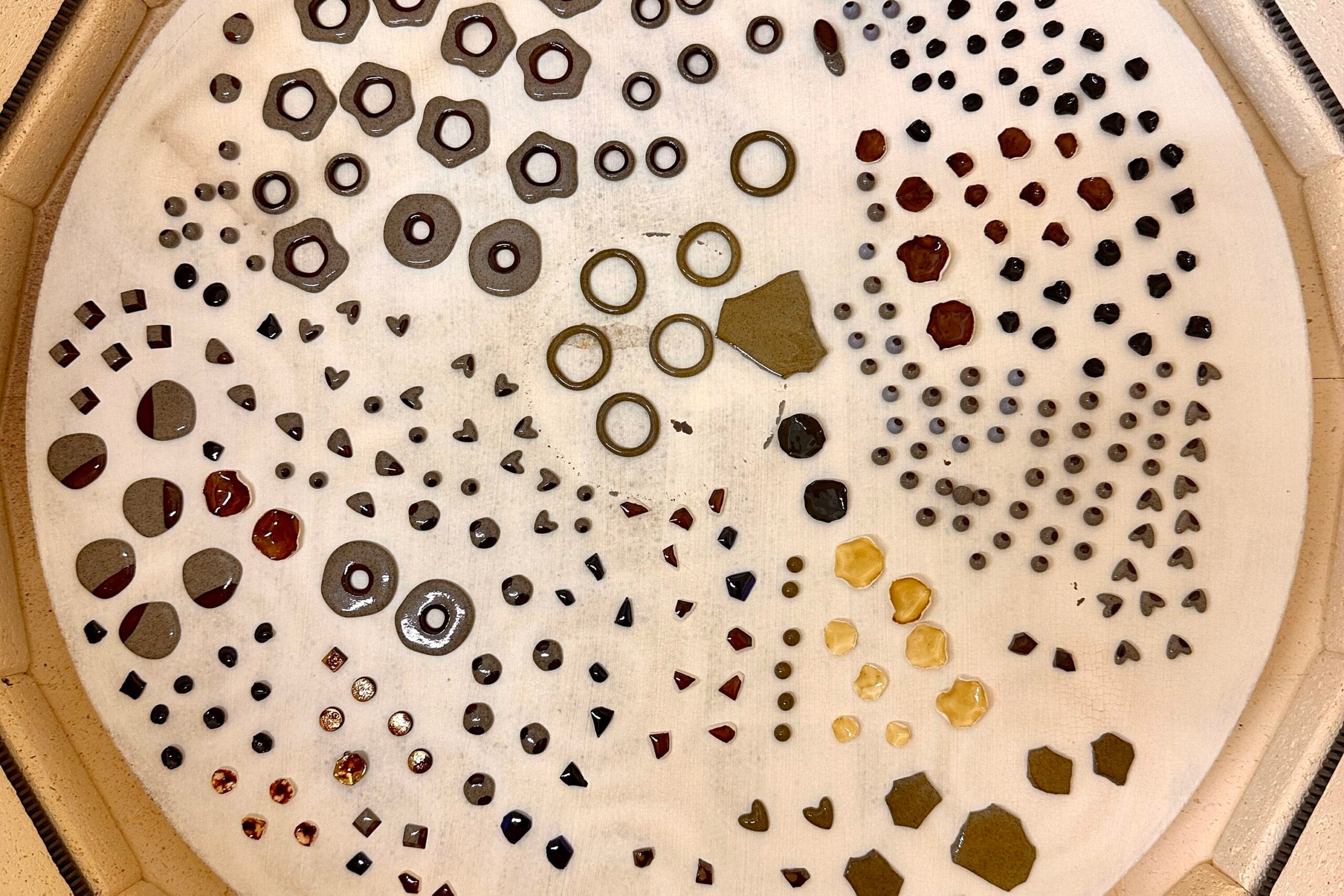
After firing, each piece is checked again. Only then does it begin to turn from a small ceramic object into something wearable — a pair of ceramic earrings, a necklace pendant or a handmade brooch.
Luster: the final touch of gold, platinum or iridescent light
Some pieces continue their journey even after glazing. When the surface is already fired and finished, a final decorative layer can be added: ceramic luster.
Luster is applied by hand in a very thin layer. It may be gold luster, platinum luster or a subtle iridescent finish, depending on the design. This stage requires a steady hand and careful attention, because the final result appears only after another kiln cycle.
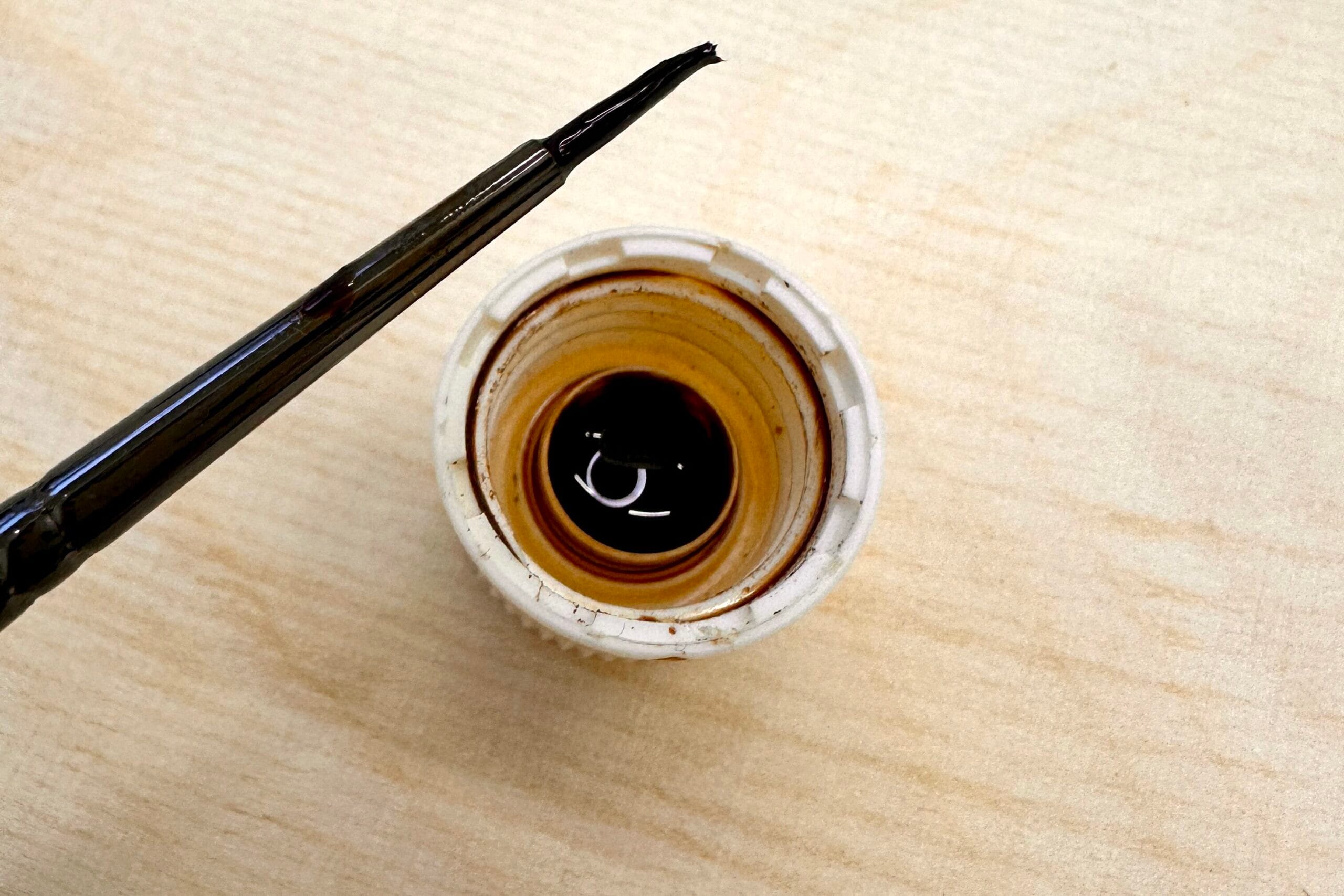
A tiny brush can change the whole character of a piece. A small golden edge, a platinum accent or a warm reflective surface can make a minimal ceramic pendant or handmade ceramic earrings feel more refined and expressive.
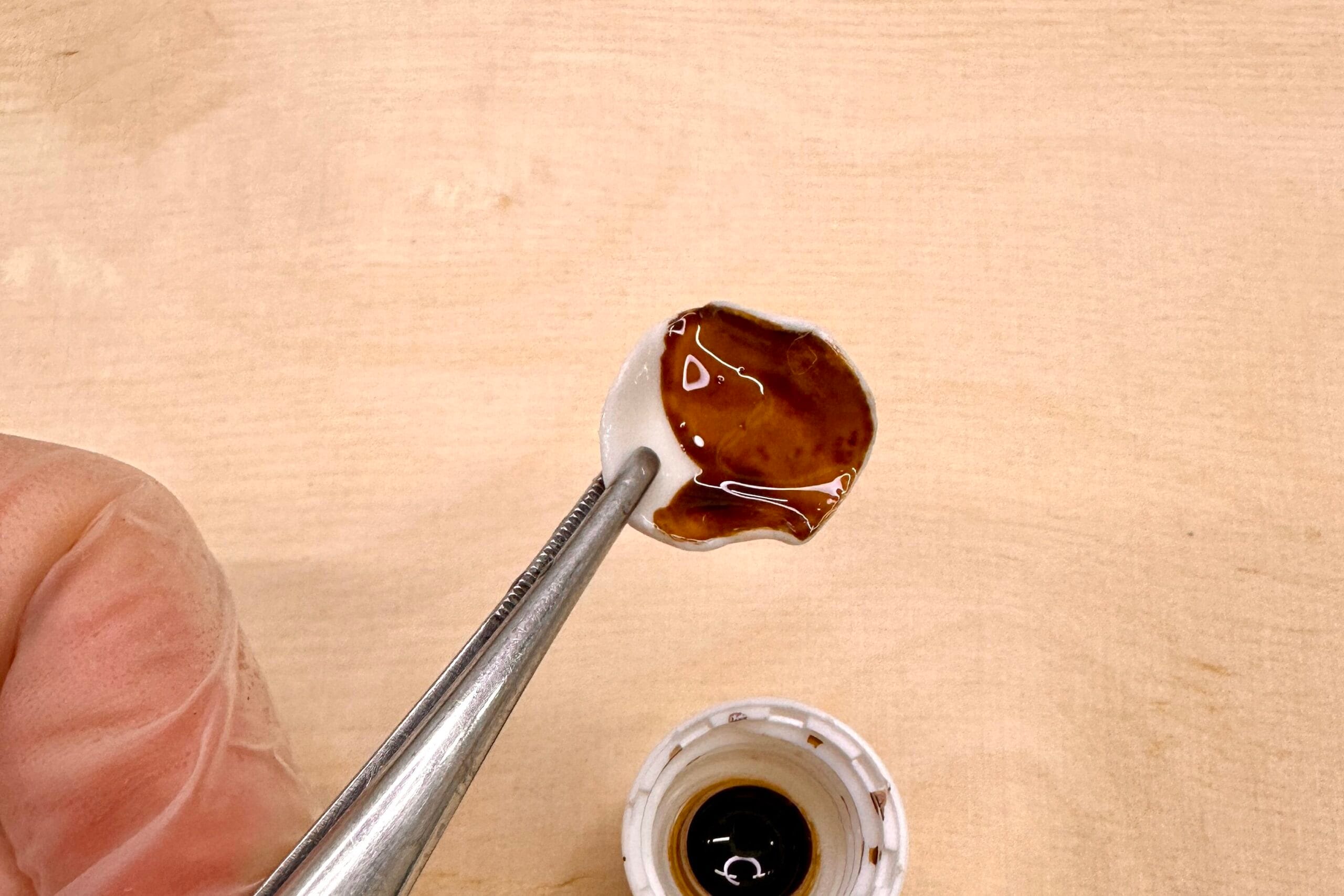
At Clayometry, luster is often used as a quiet accent rather than decoration for decoration’s sake. It highlights a curve, follows an edge or creates contrast between raw ceramic, glazed ceramic and metallic shine.
Because luster needs another firing, the process becomes even longer. A piece may be shaped, dried, sanded, bisque fired, glazed, glaze fired, painted with luster and fired again before it is ready for assembly. This is one of the reasons handmade ceramic earrings, porcelain pendants and ceramic brooches carry so much quiet work inside them.
Opening the kiln after luster firing often feels like a small reveal. A dark liquid mark becomes a metallic reflection. A simple surface gains warmth, shine or a soft rainbow effect. Not every piece needs luster, but when it does, it becomes part of the final character of the jewelry.
From the studio to someone’s everyday life
After firing, glazing and finishing, each ceramic piece is checked one more time. The surface, the edges, the balance and the small jewelry details all matter. Only then can a handmade ceramic object become a finished piece of jewelry — earrings, a necklace, a pendant or a brooch ready to be worn.
Ceramic pieces are paired, assembled with carefully chosen jewelry findings and prepared for their new life outside the studio. Some designs are minimal and subtle. Others carry gold luster, platinum shine or soft iridescent reflections. Each one has its own small character.
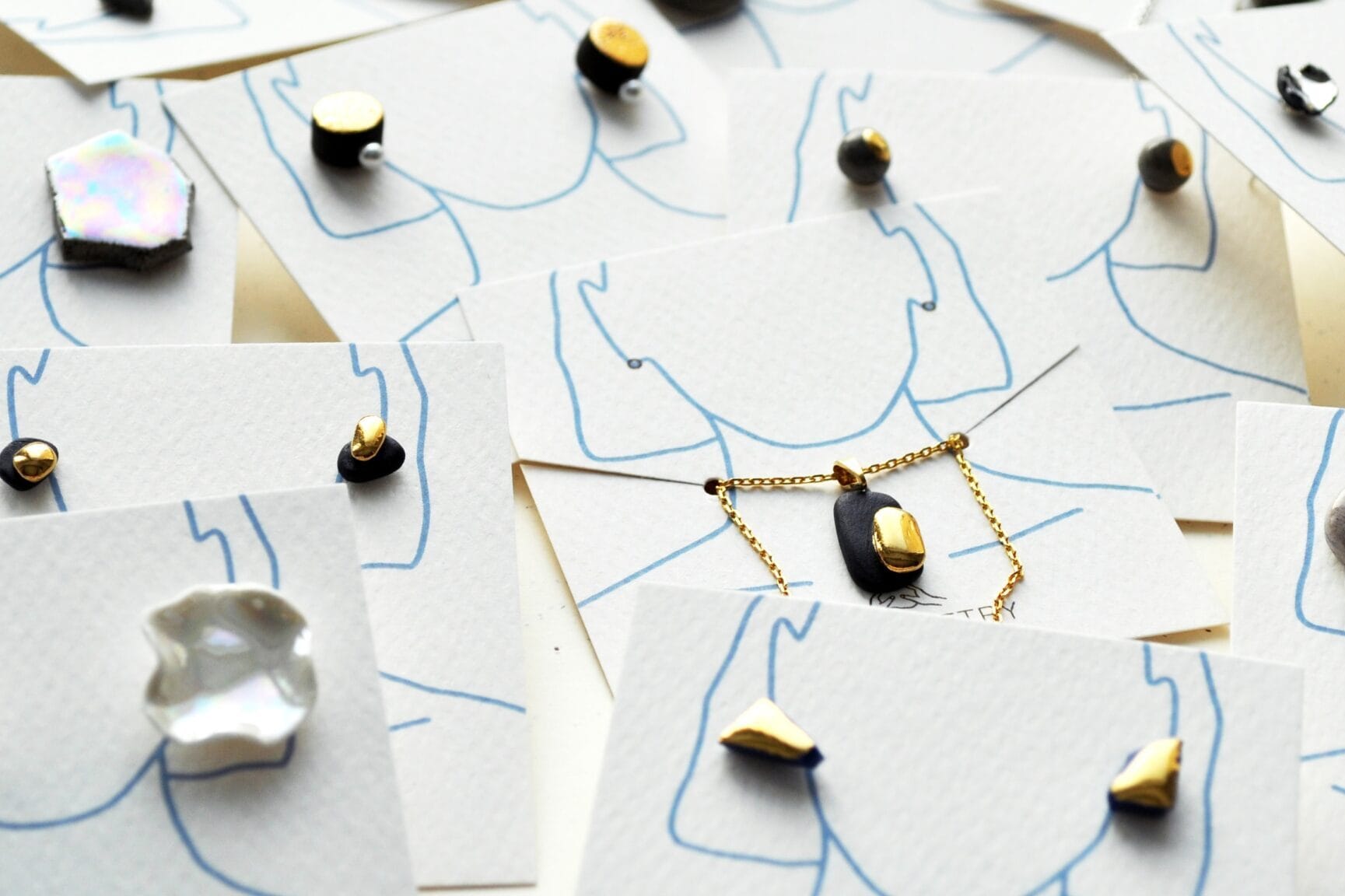
What began as a soft piece of clay or porcelain has now become something personal: a handmade ceramic jewelry piece that can be worn, gifted, kept and remembered. It carries the touch of hands, the patience of drying, the heat of the kiln, the glow of glaze and the final detail of luster.
At Clayometry, this is the heart of the process. We create handmade ceramic jewelry in Lithuania for people who value quiet beauty, thoughtful design and objects with a story. From the first piece of clay to the final carefully finished detail, every earring, necklace pendant and brooch is made to bring a little joy into everyday life.